 +506 72407140
 info@beitshalomcr.org

English translation found below
Vivimos en un mundo en donde lo fácil es glorificado, la revolución tecnológica constantemente busca hacer todas nuestras tareas diarias autimatizables, más fáciles. Quién querría volver a las máquinas de escribir, a un mundo sin horno microondas, sin calefacción o sin aire acondicionado, definitivamente el futuro está en facilitar nuestras vidas, o no?
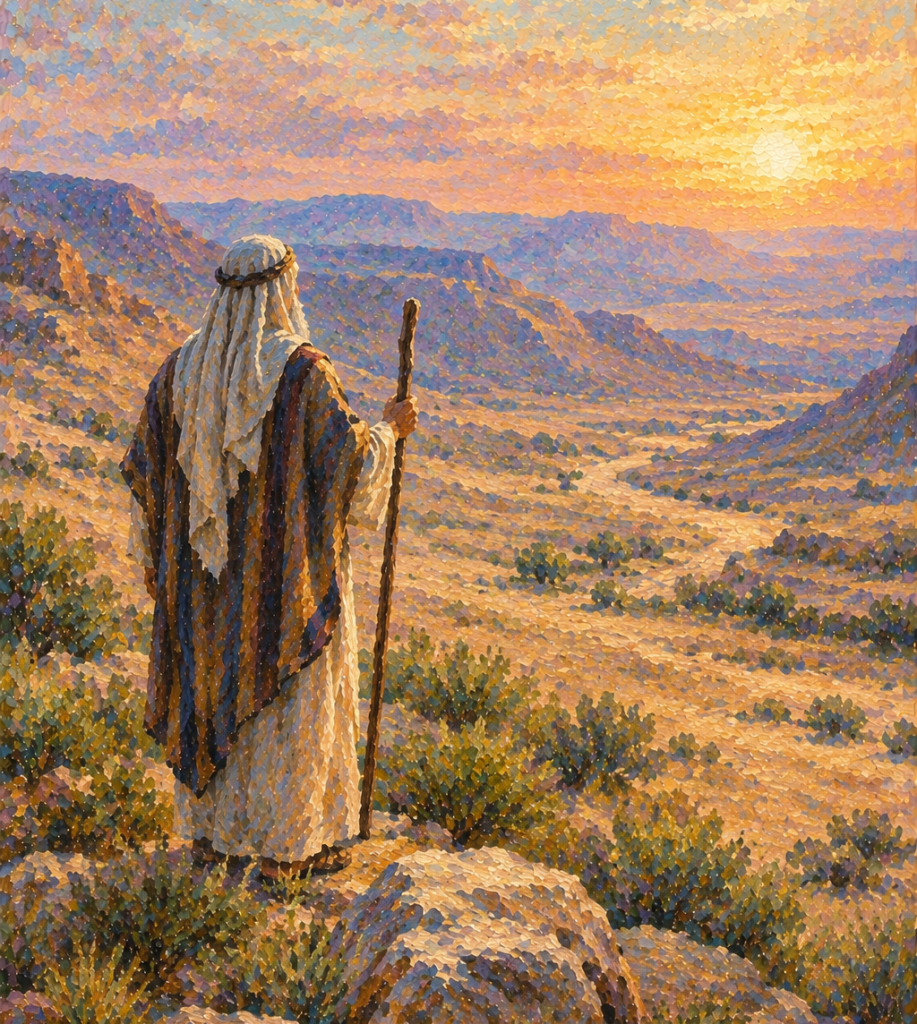
En la Parashá de esta semana se nos cuenta cómo, ante la necesidad de independencia y espacio, Abraham Avinu le propone a su sobrino Lot separarse y habitar en zonas distintas de Éretz Israel y así procurar paz. Lot mira hacia los cuatro puntos cardinales y queda embelesado por El Valle del Jordán, que según narra la Torá era una tierra verde irrigada por arroyos y ríos; pero había un pequeño detalle, allí se encontraban las corruptas ciudades de Sodoma y Gomorra. A pesar de eso, Lot descendió para vivir allí. Contrariamente, Abraham decide vivir en el desierto de Beer Sheva, allí los arroyos no corrían ni la tierra era fácilmente cultivable, sino que para conseguir agua tuvo que cavar pozos.
Sabemos más adelante cuál fue el final trágico y patético de Lot en contraste con la gloriosa continuidad de Abraham Avinu. ¿En qué se equivocó Lot, cómo puede ser que quien fuera criado como un tzadik en la casa de Abraham y Sarah, terminara siendo rescatado de un botín de guerra, salvado casi por la fuerza del fuego que destruyó Sodoma, su esposa convertida en estatua de sal, exiliado en la montaña, violado por sus dos hijas y siendo el incestuoso padre de dos naciones impías, como lo fueron Amón y Moab, que hoy día ya no existen? El origen de este terrible final fue su errada decisión.
Lot decidió por aquello que brillaba, escogió la opción más fácil, la que implicaba menos esfuerzo. En Sdom no había que cavar pozos, era fértil y todo estaba a la mano en aquella gran ciudad. Todo ese esplendor fue suficiente para ignorar y no querer ver la maldad que infestaba los corazones de sus habitantes. Abraham por el contrario lo vio claramente, oscuridad disfrazada de luz, y entendió que era preferible cavar pozos en el desierto y conservar la pureza de su alma a tener una vida fácil.
Al igual que Lot, nos vemos siempre tentados a escoger lo más fácil, aún si detrás de esa decisión hay otras más oscuras que amenazan nuestra integridad y la pureza divina que reside en cada uno. Es más fácil entrar a vivir en un castillo abandonado que construir una casa desde cero. El problema con esa decisión es que el castillo podría estar tan dañado que pueda derrumbarse sobre nuestras cabezas.
A diferencia de la tecnología, el viaje de la Neshamá (alma) no está diseñado para ser fácil, por el contrario requiere de trabajo, prueba y dificultad para lograr su nivel más elevado. Así que cuando nos encontramos frente a dos opciones, es muy probable que en la mayoría de las veces, la menos popular y la menos fácil sea la correcta.
Shabat Shalom umevoraj!
Rab. Sem. Dr. Yaakov Rodríguez
Choosing the Easy Way
We live in a world where the easy way is glorified. The technological revolution constantly seeks to make our daily tasks easier and more automated. Who would want to go back to typewriters, to a world without microwave ovens, heating, or air conditioning? The future is definitely about making our lives easier—or is it?
In this week’s Parashah, we learn how, faced with the need for independence and personal space, Abraham Avinu proposes that his nephew Lot separate from him and settle in a different region of Eretz Israel, thereby preserving peace between them. Lot looks in all four directions and is captivated by the Jordan Valley, which the Torah describes as a green and fertile land irrigated by streams and rivers. However, there is one small detail: the corrupt cities of Sodom and Gomorrah are located there. Despite this, Lot chooses to settle in that region. Abraham, by contrast, decides to live in the wilderness of Be’er Sheva, where streams do not flow freely and the land is not easily cultivated. To obtain water, he must dig wells.
We know what happens later: Lot’s tragic and pathetic fate stands in stark contrast to the glorious legacy of Abraham Avinu. Where did Lot go wrong? How could someone raised as a tzadik in the household of Abraham and Sarah end up being rescued from the spoils of war, almost forcibly saved from the fire that destroyed Sodom, lose his wife to a transformation into a pillar of salt, go into exile in the mountains, be violated by his two daughters, and become the incestuous father of two wicked nations, Ammon and Moab, which no longer exist today? The root of this terrible outcome was his misguided decision.
Lot chose what glittered. He chose the easier option, the one that required the least effort. In Sodom, there was no need to dig wells; the land was fertile, and everything was readily available in that great city. All that splendor was enough to make him ignore—and refuse to see—the evil that infested the hearts of its inhabitants. Abraham, on the other hand, saw it clearly: darkness disguised as light. He understood that it was better to dig wells in the wilderness and preserve the purity of his soul than to enjoy an easy life.
Like Lot, we are constantly tempted to choose the easiest path, even when that decision conceals darker realities that threaten our integrity and the divine purity that resides within each of us. It is easier to move into an abandoned castle than to build a house from scratch. The problem with that decision is that the castle may be so damaged that it could collapse on our heads.
Unlike technological progress, the journey of the Neshamah (soul) is not designed to be easy. On the contrary, it requires effort, trials, and difficulties to reach its highest potential. So when we find ourselves facing two choices, it is quite likely that, more often than not, the less popular and more difficult option is the right one.
Shabbat Shalom Umevorach!
Rab. Sem. Dr. Yaakov Rodriguez
 English
 Español