 +506 72407140
 info@beitshalomcr.org
 Donaciones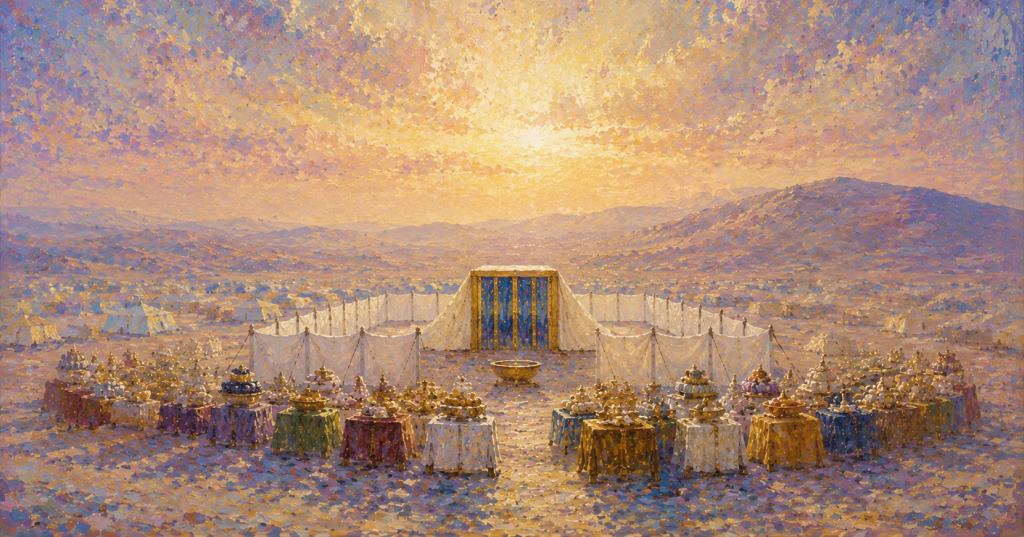
English translation found below
Desde la Parashá anterior y en la de esta semana, leemos listas interminables de censos, inventarios, funciones de los levitas y cohanim, etc.
En Nasó leemos ahora la descripción de las ofrendas realizadas durante la inauguración del Mishkán. Después de que Moshé recibió las indicaciones de cómo construir este santuario, durante el segundo año de la salida de Israel de Egipto, el Mishkán es por fin inaugurado el día 1ero del mes de Nisán. El príncipe de cada tribu ofreció cada día el mismo tipo de ofrendas; descritas una y otra vez, repetidamente en una lista interminable.
¿No hubiera sido más fácil describir una sola vez las ofrendas y mencionar que cada uno de los 12 príncipes trajo lo mismo cada día? Nos hubiera ahorrado un poco de palabras. No obstante, la Parashá quiere enseñarnos que aunque todos ofrendaron exactamente lo mismo, cada individuo cuenta y su intención es única e irrepetible. Lo mismo sucede cuando cumplimos Mitzvot, al rezar Amidá por ejemplo, todos decimos las mismas palabras, pero no todos pensamos lo mismo al rezarlas, nuestras emociones, concentración y fervor, cambian entre una persona y otra, e incluso en nosotros mismos a lo largo del año y del tiempo. También nuestra interpretación sobre lo que leemos y que nos dice es distinta.
Nasó nos enseña que, como seres únicos e irrepetibles, D’os está interesado en cada uno de nosotros como individuo principalmente. Cada uno cuenta, nadie sobra, nadie es una repetición, y aunque muchas veces hacemos las mismas cosas, cada uno impregna su propia energía.
Shabat Shalom umevoraj!
Rab. Sem. Yaakov Rodriguez
 Español
  English