 +506 72407140
 info@beitshalomcr.org
 Donaciones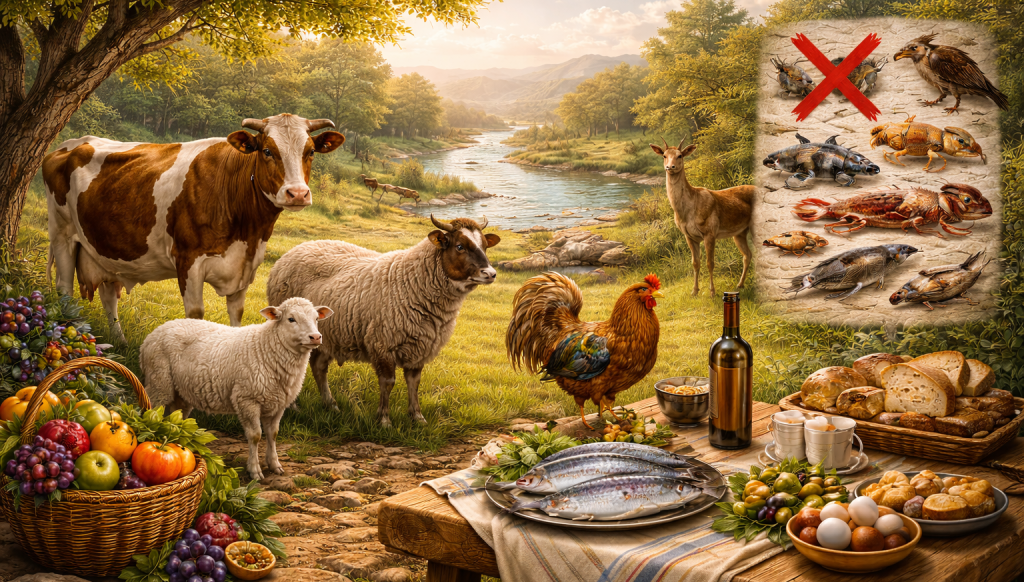
English translation found below
En la Parashá de esta semana encontramos las leyes de Kashrut, todas las especificaciones de qué animales podemos o no comer. Existen muchísimas interpretaciones sobre el porqué este sí y aquel no, pero la verdad es que la Torá no da ninguna razón, es lo que llamamos una Juká, un decreto que se debe cumplir aún sin una explicación.
Lo que sí es definitivamente evidente es lo que la Torá nos enseña con estas restricciones a los seres humanos: “aún cuando sientas necesidad de saciar tus más básicas necesidades, el mundo no te pertenece, tomas prestado de él, y no puedes tomar lo que te plazca, solamente lo que Yo te permita”. En resumen, las leyes de Kashrut nos enseñan que ‘no somos los dueños del mundo’ solamente invitados en él.
Esta lección moral nunca ha sido más relevante y clara que en este tiempo que estamos viviendo. Hemos tenido que aprender a través de una pandemia y varias epidemias que no podemos hacer con el universo aquello que nos plazca con la excusa de solventar nuestras necesidades. Si tan sólo hubiéramos prestado atención a las leyes de Kashrut, principalmente a su claro mensaje, habríamos aprendido a reconocer nuestros límites, a respetar el mundo que nos fue entregado, a decir ‘no’ aún cuando el instinto nos empuja a tomarlo todo sin importar las consecuencias, a ser humildes y agradecidos con lo que tenemos y no codiciar más.
La Kashrut es el máximo manual para la subyugación del ‘Ego’, su cumplimiento genera autodisciplina, una de la que carece la generación actual. La consigna de hoy es: “haz lo que quieras como quieras” “si lo quieres entonces lo necesitas” “si lo necesitas tómalo como sea”. La principal excusa de los judíos que no observan Kashrut es: “¿porqué voy a negarme el placer de comerme unos buenos camarones?”, más allá de los camarones y lo sabrosos que puedan ser, hay en esta respuesta una profunda actitud egoísta que está plasmada en la Psique humana: “debo satisfacer mis deseos de placer sin restricciones”, y esta actitud es al final el motor que ha generado la destrucción del mundo. Porque si se tratara solamente de camarones o chuletas de cerdo, no sería tan dañino, pero esa premisa trasciende a todos los tipos de deseo: poder, dinero, honor, placer físico, etc. Cuando creemos que somos dueños del mundo y debemos saciar esa lujuria a como haya lugar, convertimos el deseo en algo destructivo. Esto es, en resumen, la historia de la catástrofe humana.
Parte de la grandeza humana se encuentra en la capacidad de auto restricción y disciplina, como dicen nuestros sabios en Pirke Avot: “Eize hu guibor? Hakovesh et itzró” “¿Quién es poderoso? Aquel que domina (conquista) su propio instinto”
Shabat Shalom umevoraj
Rab. Sem. Dr. Yaakov Rodriguez
 Español
  English