 +506 72407140
 info@beitshalomcr.org

English translation found below
Las preferencias, esa innata característica que nos define como individuos, es sana y necesaria y la ejercemos todos los días, al vestirnos, al comer, al decidir la película del cine o el lugar para vacacionar; pero qué pasa cuando se trata de personas, y más aún de los hijos? Este es uno de los temas controversiales de esta Parashá.
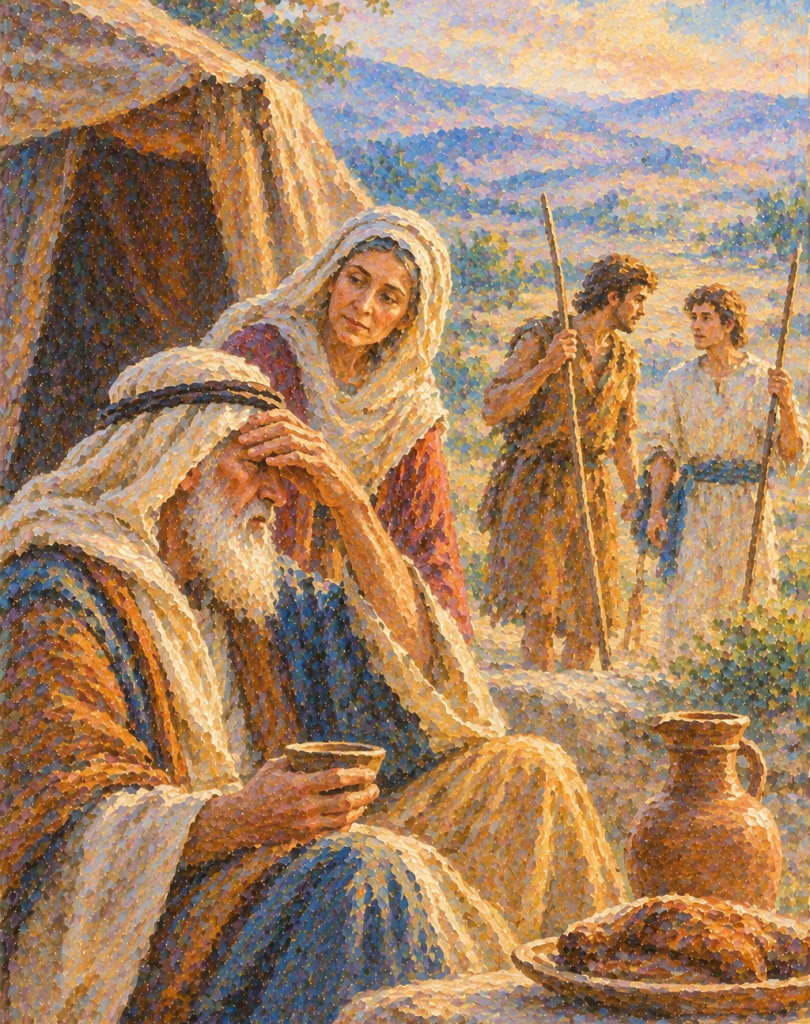
Nos cuenta la Torá que de los gemelos de esta historia, Rivka prefería a Yaakov, quien era un hombre íntegro, simple y estudioso, mientras que Yitzjak prefería a Esav, quien por el contrario era una persona ruda, malvada y engañadora. Y cómo puede ser posible que Yitzjak no viera esto? Cuenta el Midrash que con habladurías falsas Esav se mostraba ante su padre como un justo.
Por otro lado, Yitzjak Avinu era un profeta, ¿cómo pudo no ver la verdadera cara de Esav y entender que no había, otro sino Yaakov, para continuar la misión espiritual de Abraham su padre? Por lo visto para Rivka esto estaba muy claro. Dice la misma Parashá que Yitzjak prefería a Esav pues comía de su caza y gustaba de la carne que le preparaba. Este pequeño y casi inocente acto de autosatisfacción mostró un rasgo de egoísmo que cegó la objetividad de nuestro patriarca. Y así aún el hombre más grande espiritualmente que existía en ese momento, no pudo ver lo que estaba frente a sus narices.
Por eso dice la Torá que Yitzjak estaba ciego, no sólo literalmente sino figurativamente. Debido a su deseo de comer, su juicio estaba nublado y perdió la objetividad, tanto que estaba a punto de heredar todo lo suyo y poner al mando de su casa a su hijo idólatra y malvado, lo cual hubiera destruido en un momento toda la hazaña de Abraham y la suya personal.
La historia, sin embargo, no reprocha la preferencia de Rivka por Yaakov, por el contrario la apoya, y así Dios mismo permite que incluso a través de un engaño, Yaakov reciba el derecho de primogenitura por méritos y no simplemente por haber salido primero del vientre. Al darse cuenta del engaño, Yitzjak abre los ojos de su entendimiento y vemos como, a pesar del complot, él se une con Rivka para nuevamente bendecir y aconsejar a Yaakov Avinu sobre cómo continuar la misión de engendrar al Pueblo Judío.
De la historia aprendemos que preferir no está mal, cuando se hace con objetividad y sabiduría, más allá de las satisfacciones personales. Cuando preferimos a alguien en función de lo que nos da esa persona y no basado en sus méritos y cualidades, nos quedamos ciegos y podemos incluso destruir el mundo aún queriendo repararlo. Quiera Dios darnos sabiduría y la capacidad de subyugar nuestros deseos mundanos para que no nublen nuestro juicio.
Jódesh Tov!
Shabat Shalom umevoraj!
Rab. Sem. Dr. Yaakov Rodriguez
Opening Our Eyes to Objectivity
Preferences are an innate characteristic that defines us as individuals. They are healthy and necessary, and we exercise them every day: when choosing what to wear, what to eat, which movie to watch, or where to go on vacation. But what happens when our preferences involve people, and even more so, our own children? This is one of the controversial topics addressed in this week’s Parashah.
The Torah tells us that, among the twins in this story, Rivka preferred Yaakov, who was a wholesome, simple, and studious man, while Yitzchak preferred Esav, who, on the contrary, was rough, wicked, and deceitful. How could Yitzchak possibly fail to see this? According to the Midrash, Esav used false pretenses and misleading words to present himself to his father as a righteous man.
On the other hand, Yitzchak Avinu was a prophet. How could he fail to see Esav’s true nature and understand that there was no one other than Yaakov who could continue the spiritual mission of his father, Abraham? Apparently, this was perfectly clear to Rivka. The same Parashah tells us that Yitzchak preferred Esav because he enjoyed eating the game he hunted and the meat he prepared for him. This small, seemingly innocent act of self-gratification revealed a trait of selfishness that clouded our patriarch’s objectivity. Thus, even the greatest spiritual figure of his time was unable to see what was right before his eyes.
That is why the Torah tells us that Yitzchak was blind, not only literally but also figuratively. Because of his desire for food, his judgment became clouded and he lost his objectivity, to the point that he was about to pass on his entire inheritance and place his wicked, idolatrous son in charge of his household. This would have destroyed, in a single moment, everything Abraham had accomplished, as well as Yitzchak’s own life’s work.
The story, however, does not criticize Rivka for preferring Yaakov. On the contrary, it supports her preference. God Himself allows Yaakov, even through an act of deception, to receive the birthright on the basis of his merits rather than simply because he was the first to emerge from the womb. Once Yitzchak realizes what has happened, the eyes of his understanding are opened. We then see how, despite the deception, he joins Rivka in once again blessing and advising Yaakov Avinu on how to continue the mission of bringing the Jewish People into existence.
From this story, we learn that having preferences is not wrong, provided they are guided by objectivity and wisdom rather than personal gratification. When we favor someone because of what that person gives us, rather than on the basis of their merits and qualities, we become blind and may even end up destroying the world while believing we are trying to repair it.
May God grant us the wisdom and the ability to overcome our worldly desires so that they never cloud our judgment.
Shabat Shalom umevoraj!
Rab. Sem. Dr. Yaakov Rodrigues
 Español
 English