 +506 72407140
 info@beitshalomcr.org

English translation found below
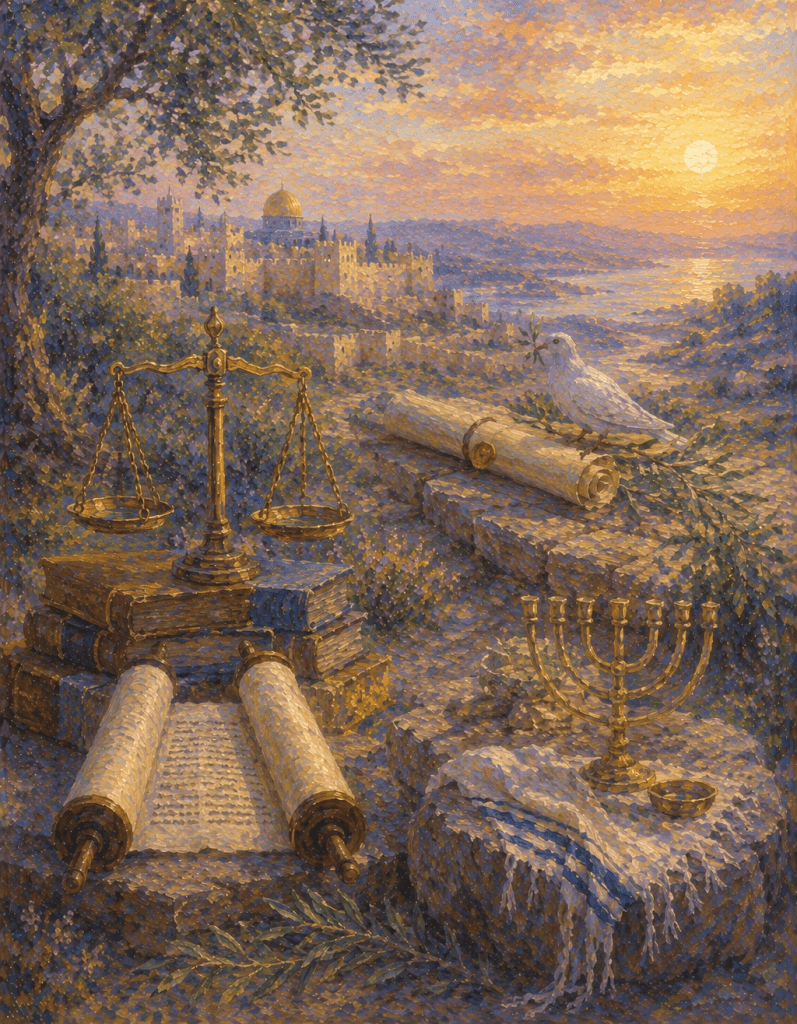
La Torá no solamente nos cuenta historias inspiradoras, tampoco es únicamente un manual de prácticas religiosas y rituales, fue durante muchos siglos el sistema legislativo y judicial de Am Israel. Absolutamente todos los aspectos de la vida de una civilización están definidos en la Torá. Parashat Shoftim específicamente enfatiza en la importancia del establecimiento de jueces, policías, un sistema judicial imparcial, justo y equitativo, las leyes que el rey de Israel debía cumplir y cómo él mismo no estaba por encima de la ley, la importancia del papel de los cohanim en su labor ritual y social, la necesidad de tener consejeros y observadores imparciales fuera de las esferas de poder, en ese momento los profetas.
Basta leer la Parashá para comprender el grado de sabiduría y sensibilidad que tiene la Torá ante temas con los que todavía hoy los seres humanos modernos lidiamos por resolver, tales como el totalitarismo, el abuso de poder, la corrupción, el enriquecimiento ilícito, el atropello a los derechos de los más vulnerables, etc. Hacia el final de esta Parashá también trae la Torá un tema tan actual e inmediatamente cercano a nuestra situación actual; se trata de las mitzvot relacionadas con cómo negociar la paz con los enemigos. Ordena la Torá que antes de iniciar un conflicto bélico, se debe enviar una propuesta de paz al enemigo, en caso de una respuesta negativa tienes permitido y justificado ir a la guerra contra él. Resulta claro que nuestra tradición siempre ha sido abanderada de la búsqueda de la paz, históricamente las guerras de Israel siempre han sido defensivas o preventivas ante la agresión de un enemigo. Tenemos ejemplos de sobra en todo el Tana”j, durante la época griego-helenística, romana, y por supuesto, no ha sido la excepción durante la historia de la moderna Medinat Israel.
La lamentable guerra actual que enfrentamos todo el Pueblo Judío no es la excepción. Desde los albores de su nacimiento, el Estado de Israel ha ofrecido ya incontables veces ofertas de paz a sus vecinos árabes; una y otra vez estos ofrecimientos pacíficos fueron respondidos con la violencia más empecinada que pueda verse, y a pesar de que hace mucho entendimos que no hay ningún deseo de convivencia pacífica de parte de quienes nos odian, nuestros valores eternos nos empujan una y otra vez a intentarlo de nuevo, aunque la respuesta siempre ha sido la misma: odio, destrucción y muerte. La ceguera e hipocresía del mundo no le permite ver los hechos como verdaderamente son, y es así como el agredido es acusado de agresor y el asesino es defendido como si fuera la víctima.
La historia nos ha enseñado ya a no esperar nada diferente de las naciones. Ya hace miles de años, los profetas nos advirtieron que, como “manada pequeña” estamos contra el mundo defendiendo valores impopulares para quienes ostentan el despotismo y el poder. Parece difícil pensar, que a pesar de todos los regalos maravillosos e invaluables que el judaísmo ha legado a la humanidad, después de milenios de antisemitismo irracional, podamos convencer a las naciones de vernos y tratarnos al menos con un poco de empatía. Lo importante es que nosotros sí lo tengamos claro, y que la narrativa de quienes son abanderados de la muerte no logre contaminar nuestras mentes, haciéndonos pensar que somos nosotros los victimarios y los agresores. Hemos ofrecido paz y la respuesta una y otra vez ha sido un rotundo no, seguido de más agresión.
Cómo reza nuestro ritual, pedimos “letakén olam bemaljut Shaday” que el mundo sea reparado bajo el reinado del Todopoderoso. Amén ken yehí ratzón!
Shabat Shalom umevoraj
Rab. Sem. Dr. Yaakov Rodríguez
A people of peace and a warrior people
The Torah not only tells us inspiring stories, nor is it merely a manual of religious practices and rituals; for many centuries, it was the legislative and judicial system of Am Israel. Absolutely every aspect of the life of a civilization is defined in the Torah. Parashat Shoftim specifically emphasizes the importance of establishing judges, police officers, and an impartial, just, and equitable judicial system; the laws that the king of Israel was required to obey and how he himself was not above the law; the importance of the role of the Kohanim in their ritual and social duties; and the need for impartial advisers and observers outside the spheres of power, who at that time were the prophets.
It is enough to read the Parashah to understand the degree of wisdom and sensitivity the Torah displays toward issues that modern human beings still struggle to resolve today, such as totalitarianism, abuse of power, corruption, illicit enrichment, and violations of the rights of the most vulnerable, among others. Toward the end of this Parashah, the Torah also addresses a subject that is remarkably current and immediately relevant to our present situation: the mitzvot concerning how to negotiate peace with enemies. The Torah commands that before beginning an armed conflict, a peace proposal must be sent to the enemy; if the response is negative, you are permitted and justified in going to war against them. It is clear that our tradition has always championed the pursuit of peace. Historically, Israel’s wars have always been defensive or preventive in response to an enemy’s aggression. We have more than enough examples throughout the Tanakh, during the Greek-Hellenistic and Roman periods, and, of course, the history of the modern State of Israel has been no exception.
The tragic war currently confronting the entire Jewish People is no exception. Since the very beginning of its existence, the State of Israel has made countless peace offers to its Arab neighbors; time and again, these peaceful offers have been answered with the most relentless violence imaginable. And although we understood long ago that those who hate us have no desire for peaceful coexistence, our eternal values compel us time and again to try once more, even though the response has always been the same: hatred, destruction, and death. The blindness and hypocrisy of the world prevent it from seeing the facts as they truly are, and so the one who is attacked is accused of being the aggressor, while the murderer is defended as though he were the victim.
History has already taught us not to expect anything different from the nations. Thousands of years ago, the prophets warned us that, as a “small flock,” we stand against the world defending values that are unpopular among those who wield despotism and power. It seems difficult to imagine that, despite all the wonderful and invaluable gifts Judaism has bestowed upon humanity, after millennia of irrational antisemitism we could convince the nations to see us and treat us with even a little empathy. What matters is that we ourselves remain clear about this, and that the narrative of those who champion death does not succeed in contaminating our minds and making us believe that we are the perpetrators and the aggressors. We have offered peace, and time and again the response has been a resounding no, followed by further aggression.
As our liturgy says, we pray “letaken olam bemalchut Shaddai,” that the world may be repaired under the sovereignty of the Almighty. Amen, ken yehi ratzon!
Shabbat Shalom uMevorach!
Rab. Sem. Dr. Yaakov Rodriguez
 Español
 English